-
Problematic sites, and casting slabs
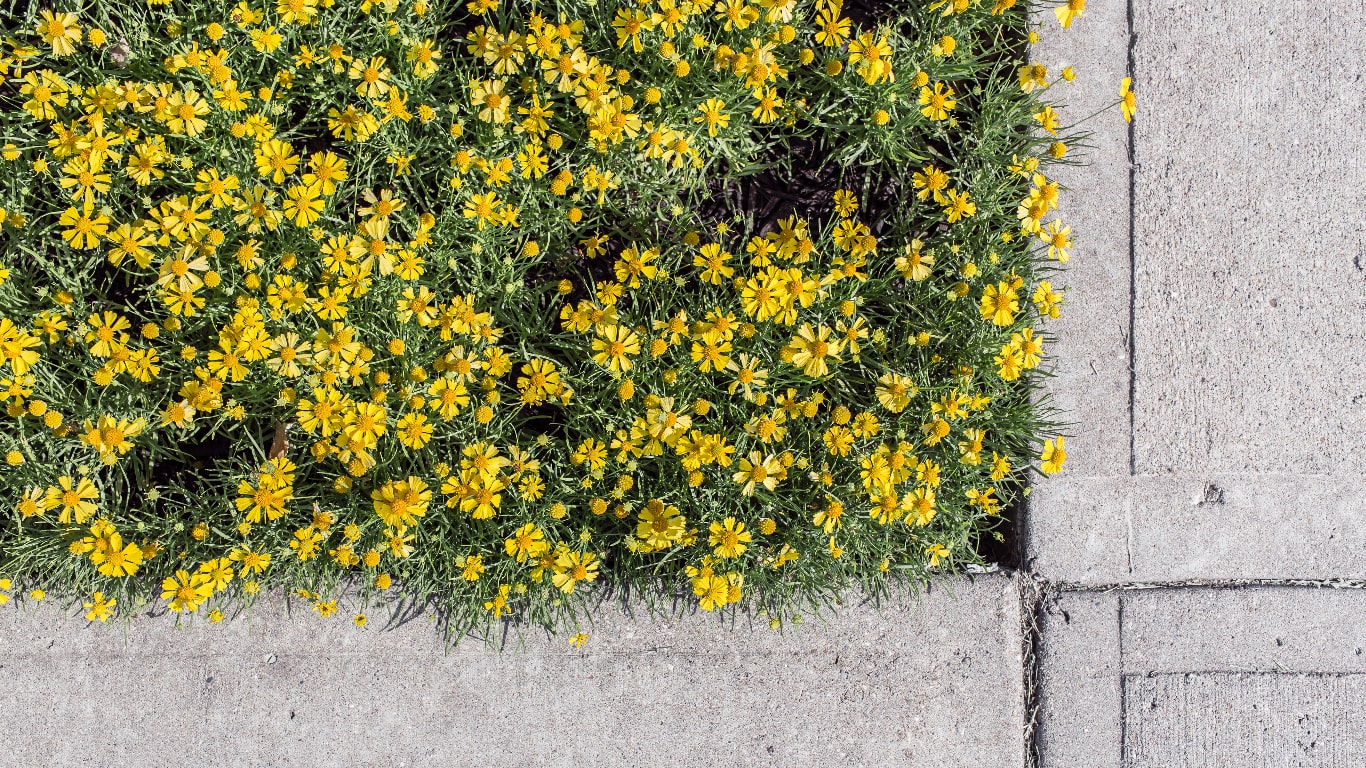
Sloped and curved sites Allow for smaller spacing between the divider forms on a steep slope. Make the forms out of ¼ or ½ inch plywood or hardboard, or 1 x 4s for a curved walkway or drive. To make 1 x 4s easier to bend, soak them in water. Set the supporting stakes closer […]
-
Concrete flooring
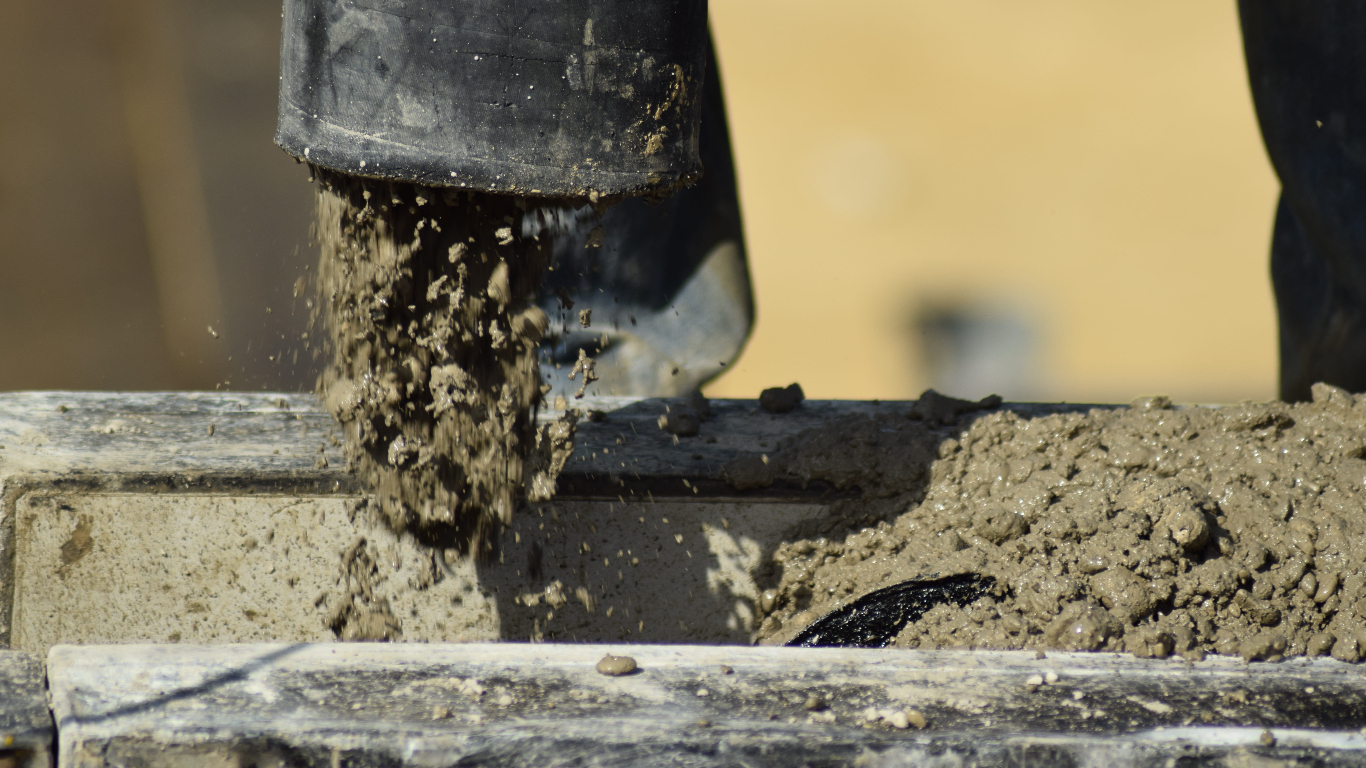
Preparing for concrete flooring Check the criteria for floor design and construction in your town’s building code. Compact the base dirt and put the floor directly on it if it is well-drained. If the soil is soft or loose, you’ll need to dig it out and put a 4 inch crushed stone and 1-inch sand […]
-
Concrete excavation for forms and foundations

Removing any building line stakes will be necessary before undertaking any concrete excavation for formwork and to allow up working area. By placing the batter board about 4 feet away from the building plan stakes, you can keep the building lines intact. At the very least, far enough away from the batter boards for the […]
-
Concrete foundations
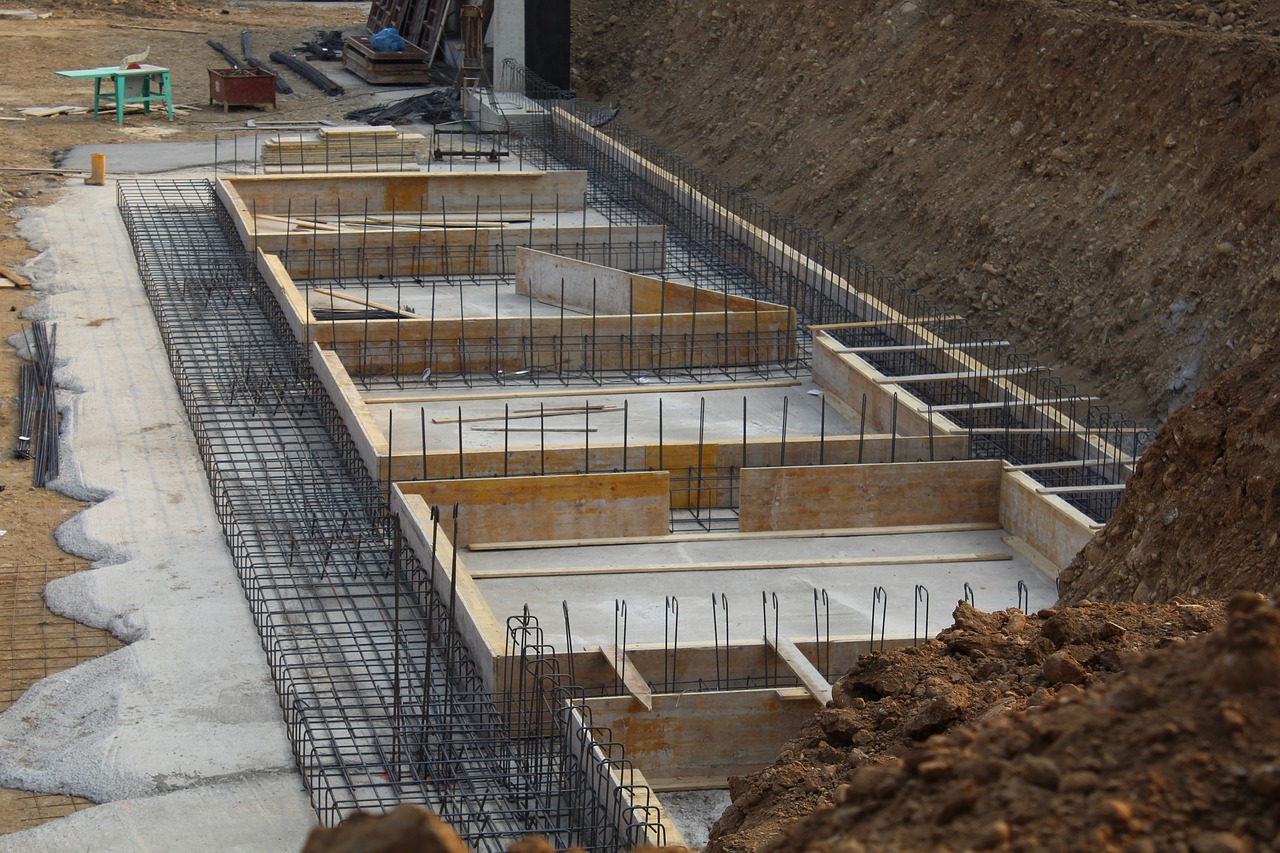
Footings must always lay on soil that hasn’t been disturbed below the frost line. Place the footings on top of slightly dampened soil, make sure the soil isn’t wet. The varying depths that footings must go below grade is specified by agencies of the federal government and will change with factors such as being in […]
-
Materials for concrete mixing
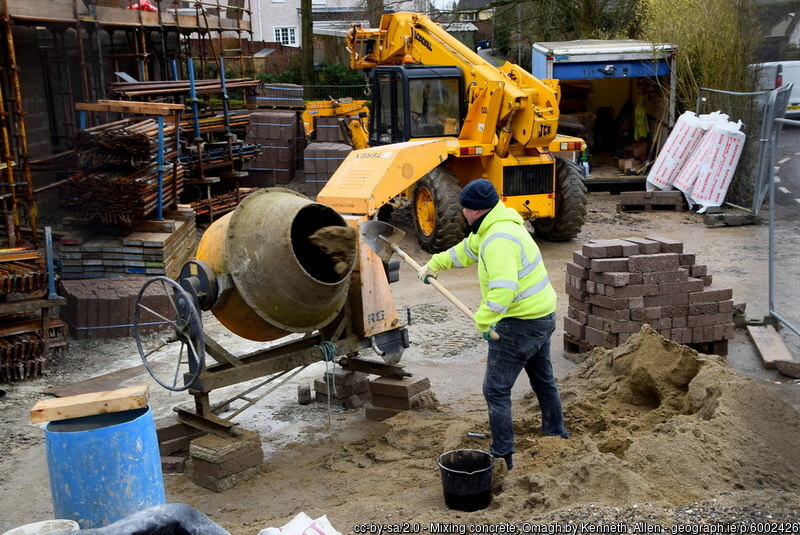
The right materials for concrete mixing Concrete is a mixture of portland cement, coarse aggregate (crushed stone and gravel), and fine aggregate (sand). Concrete is also one of the cheapest building materials and is very durable. The mixture between the materials has to be carefully measured and there are certain ratios between the materials that […]
-
Placing concrete, curing, and finishing
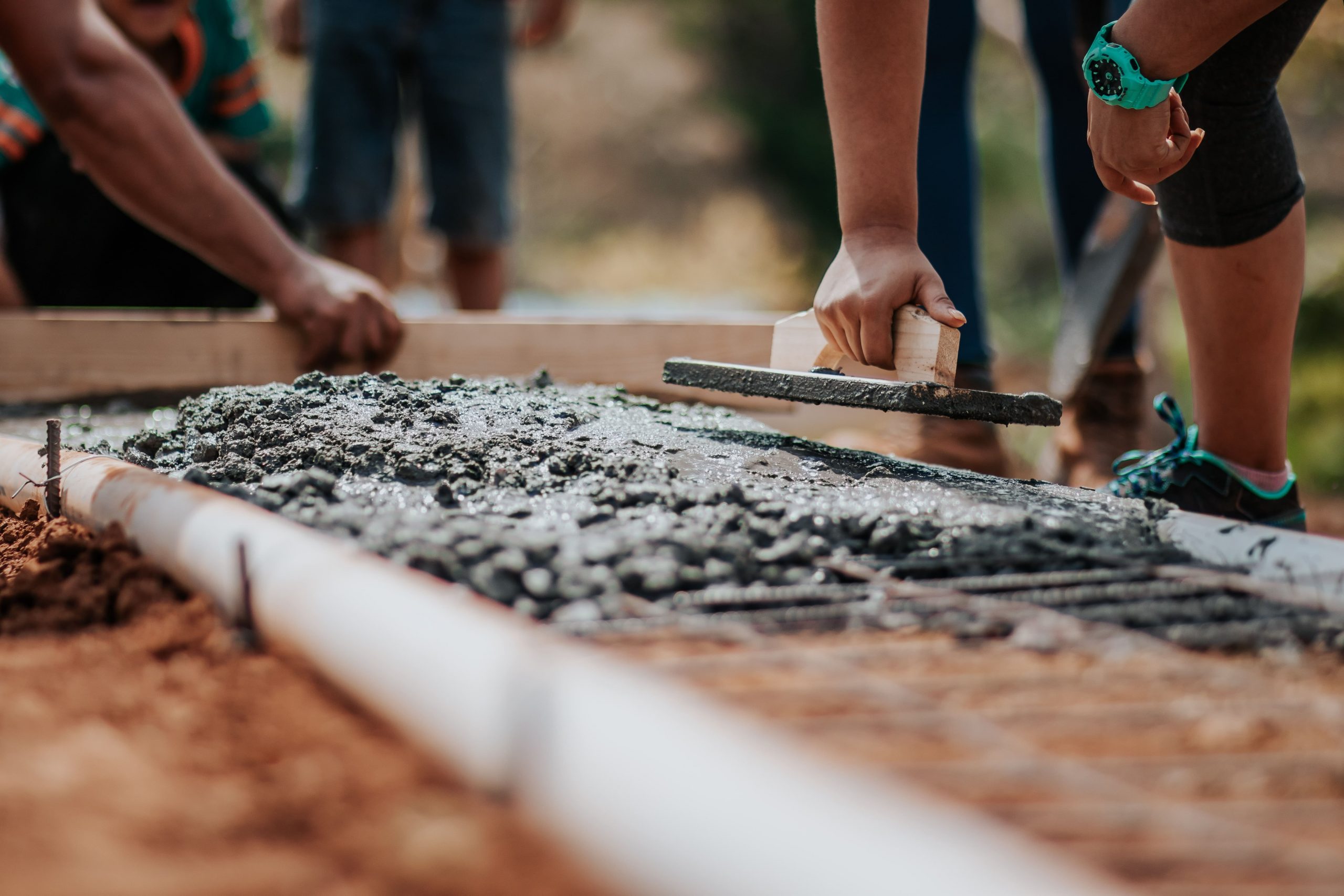
Placing, finishing, and curing Planning can help tremendously when doing concrete work. Prepare the surface you are going to cover with concrete, have the forms in place, and have tools ready to use near you. Having extra people help you can make the process go quicker as well. Have the ready-mixed concrete loaded directly into […]
-
Mixing Concrete
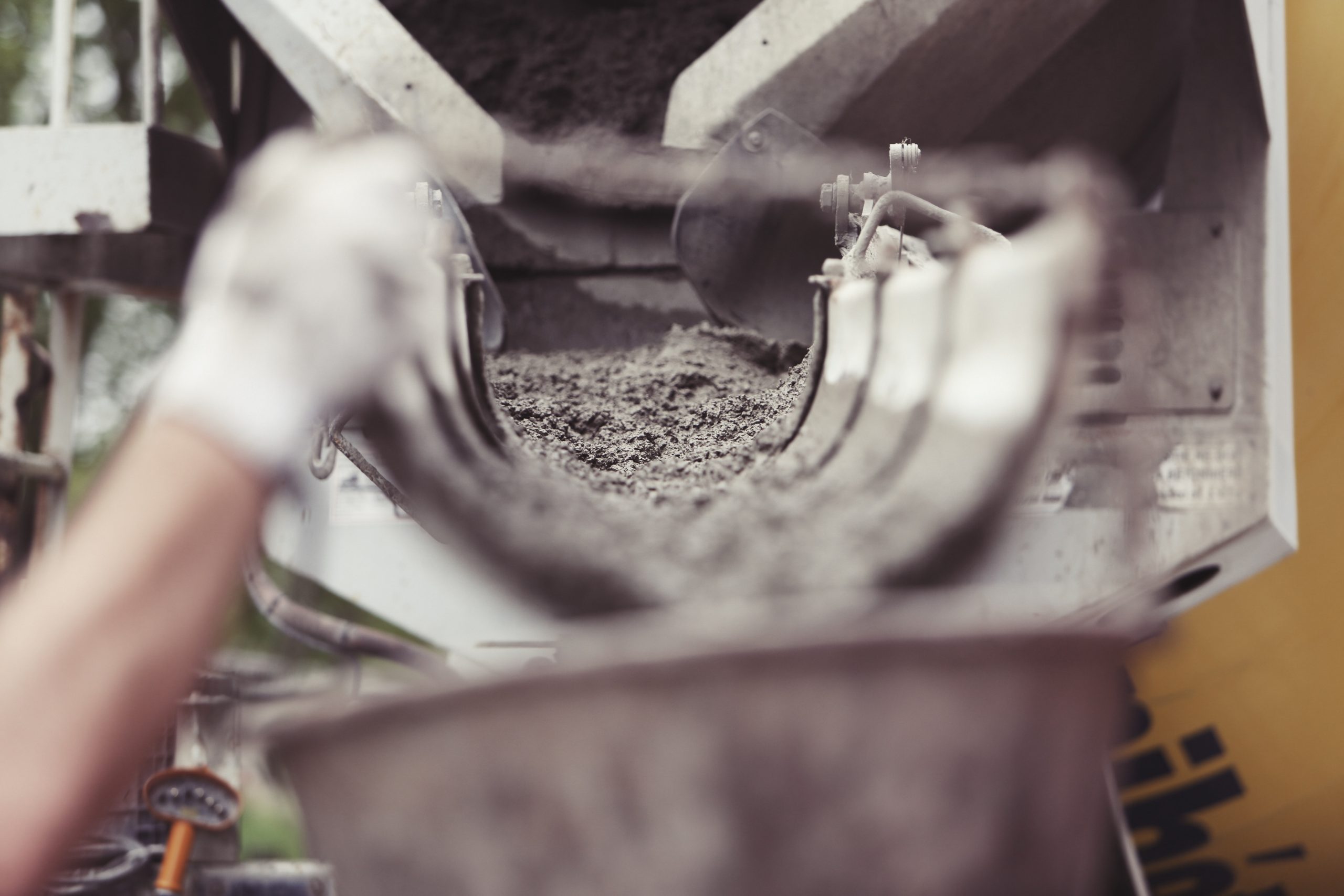
You can either mix concrete by hand or with a mixing bucket, either way, there is a certain viscosity you need in the concrete before applying it in a job. The amount of water needed for a mix is dependent on the wetness of the sand. After deciding what concrete mix you will use, never […]
-
Tools For Concrete
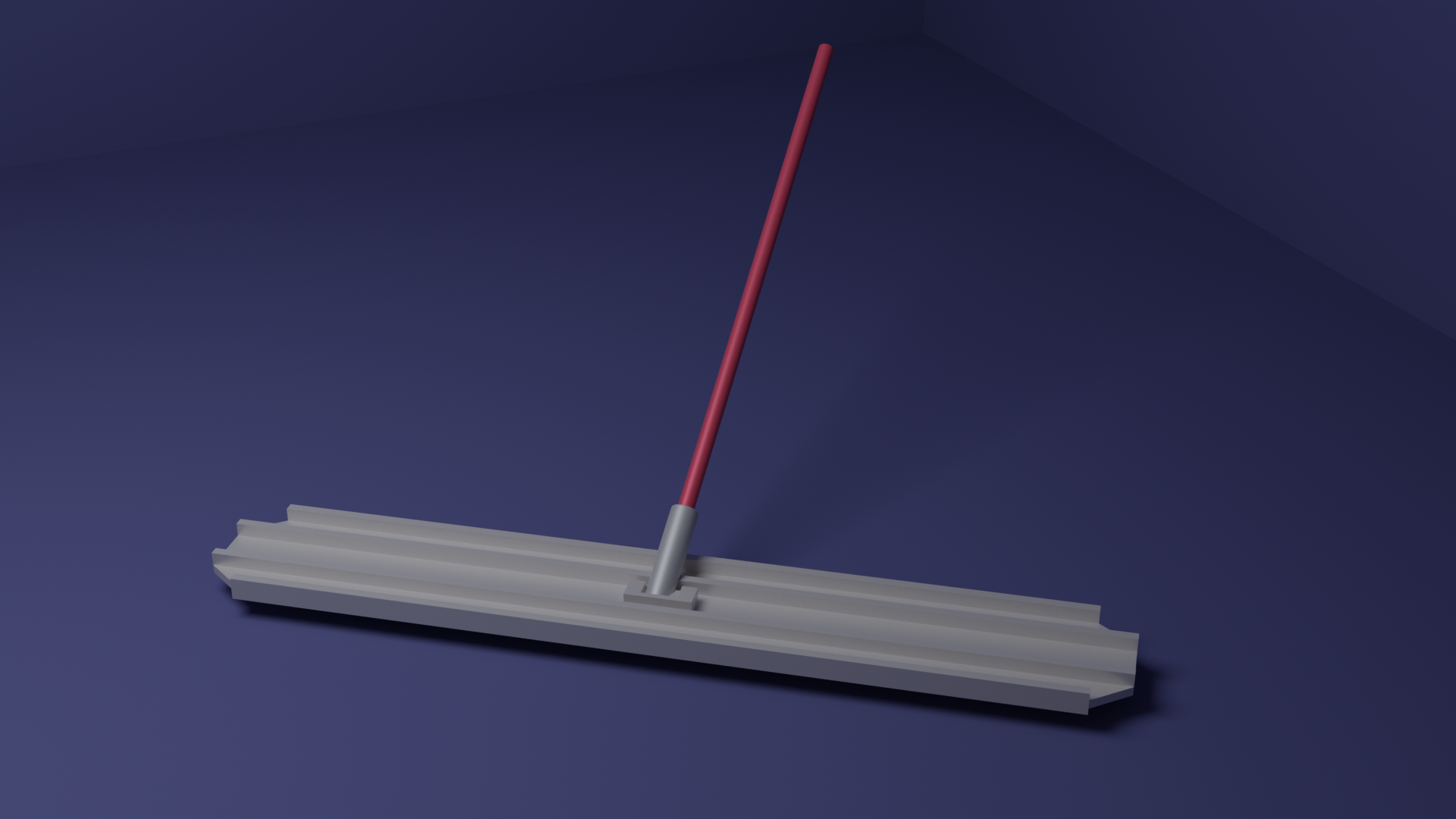
There are a few basic tools needed for basic concrete work. Wet concrete will crack and dry out bare skin so be sure to get waterproof gloves and boots. A watering can is used for measuring water and adding it into the concrete mix. 50-foot steel tape measure. A bucket will be needed for measuring […]